
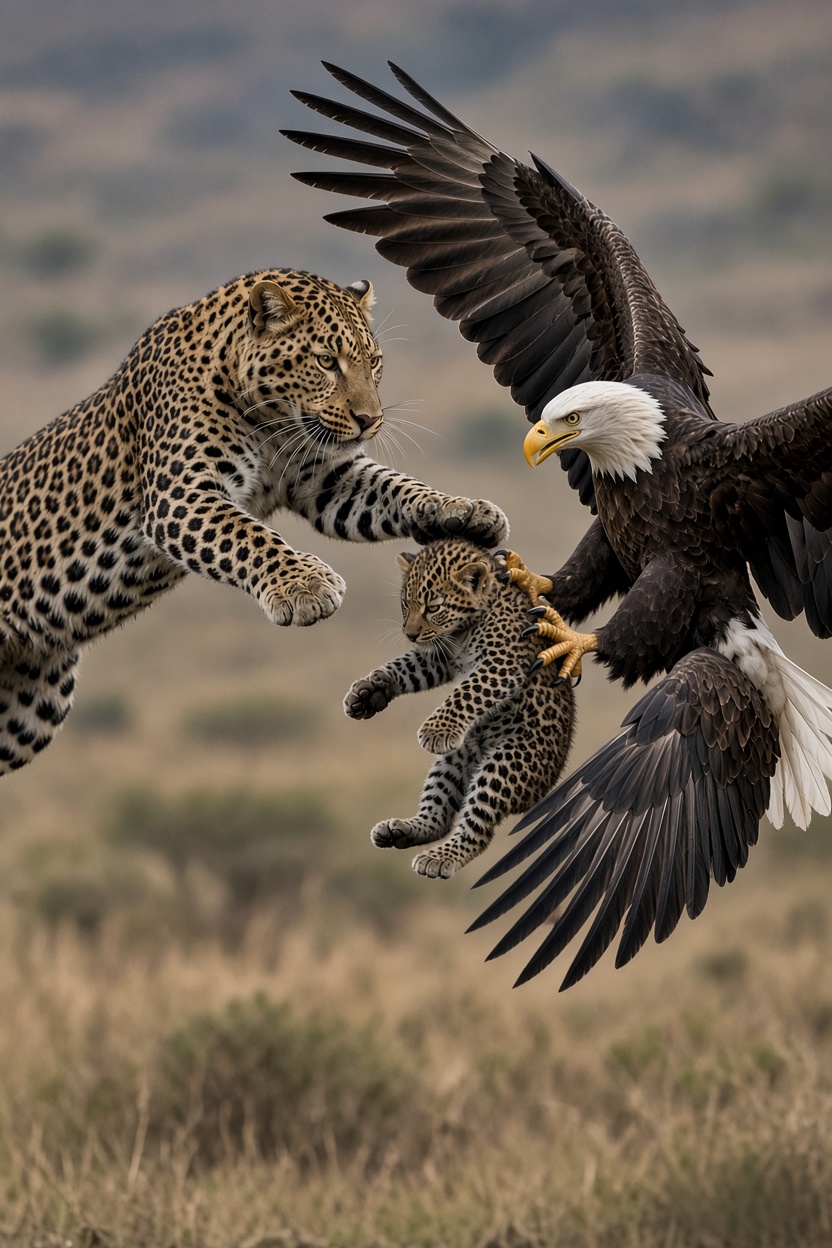
Animals Saving Other Animals: Amazing Stories of Courage, Compassion, and Survival
Animals are often portrayed as competitors fighting for food, territory, and survival. But nature can also reveal something much more surprising: animals sometimes help, protect, rescue, and even save other animals.
From a mother protecting an injured baby to dolphins supporting a struggling member of their pod, these extraordinary moments show that animal behavior can be far more complex than simple survival instincts.

Proudly powered by WordPress
❤️ Why Do Animals Save Other Animals?
Scientists generally avoid describing animal behavior as simply “kindness” because animal motivations can be difficult to determine.
Instead, researchers examine behaviors such as cooperation, protection, caregiving, empathy-like responses, social bonding, and kin selection.
Several factors may explain why an animal helps another.
1. Family Relationships
Animals are often more likely to protect close relatives because helping relatives can indirectly support the survival of shared genes.
2. Strong Social Bonds
Animals that live together for years can develop powerful relationships. Helping a companion may strengthen the social structure of the group.
3. Parental Instinct
Protective behavior toward babies is widespread throughout the animal kingdom.
Parents may risk injury while defending their offspring from predators.
4. Cooperation
Some animals depend on cooperation for survival. Working together can help a group find food, defend territory, raise young, and avoid predators.
5. Learned Behavior
Animals can learn from previous experiences. Young animals may observe adults and develop behaviors that help them interact successfully with others.
🌎 Incredible Examples of Animal Cooperation
The natural world provides countless examples of cooperation.
Animals may:
- Protect injured companions
- Warn others about predators
- Defend young animals
- Share food
- Groom one another
- Carry weaker individuals
- Support exhausted companions
- Work together to escape danger
- Help raise offspring
- Stay beside an injured member of their group
These actions remind us that survival in nature is not always about competing against everyone else.
Sometimes, survival depends on cooperation.
🥹 The Emotional Side of Animal Rescue Stories
Videos and photographs of animals helping other animals often become popular because they show behavior that people can easily recognize as caring or protective.
A dog staying beside an injured companion, an elephant helping a calf, or dolphins supporting another dolphin can create a powerful emotional response.
However, it is important to distinguish between what we can observe and what we assume an animal is feeling.
We can observe an animal approaching another animal, protecting it, carrying it, or supporting it.
Determining whether the animal experiences human-like emotions such as compassion or selflessness is much more complicated.
That does not make the behavior less fascinating.
In fact, it makes these moments even more interesting because scientists are still learning how animals communicate, cooperate, and form relationships.
🐾 What These Stories Teach Us
Animals Saving Other Animals is more than a collection of emotional stories.
It gives us an opportunity to learn about animal intelligence, social relationships, communication, cooperation, and survival.
Nature is full of competition, but it is also full of cooperation.
From the smallest social animals to some of the largest mammals on Earth, animals have developed remarkable ways to live together and respond to the needs of others.
Their behavior shows us that the natural world is not simply a struggle between predator and prey.
It is also a world of family, friendship, cooperation, protection, and survival together.
Single
Enrich our growing community.
- General admission and member discounts for one adult
- One free ticket per special exhibition
- Two single-use guest passes per year
Family
Support special exhibitions.
- General admission and member discounts for two adults
- Four free tickets per special exhibition
- Four single-use guest passes per year
Patron
Take support to the next level.
- General admission and member discounts for two adults
- Five free tickets per special exhibition
- Six single-use guest passes per year